Add Row
Add Element
cropper
update
Phillyx.Com
update
Add Element
  • Home
  • Categories
    • Feature
    • Health
    • Family
    • Style
    • Home
    • Arts
    • Giving
    • Education
    • Travel
    • Money
    • Sports
September 07.2025
3 Minutes Read

Discover the Douglas Fairbanks Cocktail: A Rye Whiskey Sour with an Apricot Twist

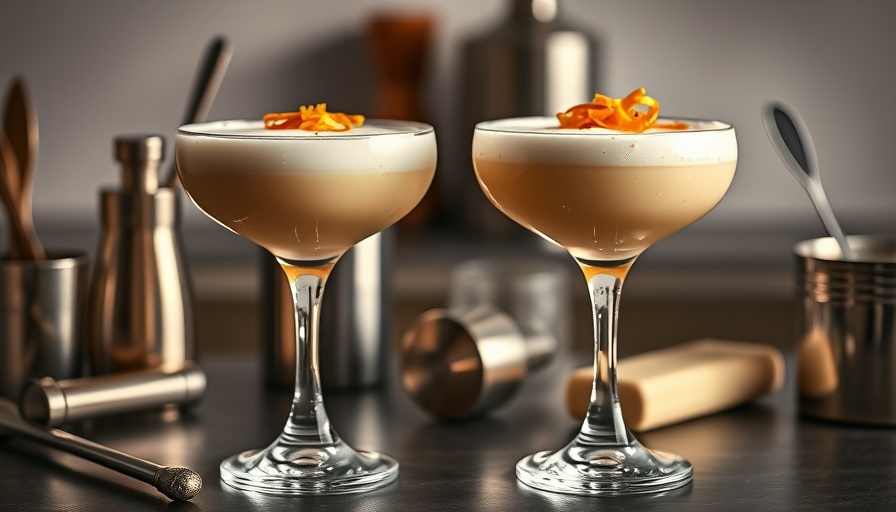
Douglas Fairbanks cocktail recipe in elegant glasses on a kitchen surface.

Unveiling the Douglas Fairbanks Cocktail: A Toast to a Legendary Star

Named after one of Hollywood's most iconic figures, the Douglas Fairbanks cocktail brings both nostalgia and amusement to modern palates. This interesting libation, which features a delightful blend of rye whiskey, lemon, and a hint of apricot, stands in stark contrast to the moral convictions of its namesake. It’s fascinating to consider how a drink so closely associated with an emblem of temperance came to be created, perhaps even unknowingly, in honor of the silent film star.

Of Tinsel Town and Teetotalers

Douglas Fairbanks wasn't just a beloved actor; he embodied the spirit of action and adventure in the early days of cinema. However, despite his on-screen heroism, his off-screen life was marked by a strict adherence to sobriety. Growing up with a father who had a tumultuous relationship with alcohol left Fairbanks with a lifelong aversion to drinking. As captured in PBS archives, this aversion turned into a public stance against alcohol, which included refusing to serve it at his own home. Fairbanks' steadfast dedication to a teetotal lifestyle adds depth to the narrative surrounding the cocktail named after him.

The Cocktail’s Unexpected Birth and Evolution

Interestingly, the Douglas Fairbanks cocktail was concocted in 1931, at Sloppy Joe’s Bar in Havana. It's essential to highlight how named cocktails have a historical context grounded in social and cultural practices. By creating a drink that honors a figure like Fairbanks, bartenders contributed to the tapestry of cocktail culture, identifying it as a means of expression. Over the years, the recipe has been modified, showcasing the inventiveness of bartenders who experimented with its core ingredients but maintained its original charm.

Mixing a Modern Classic

For those intrigued by this curious drink, crafting a Douglas Fairbanks at home can be a delightful venture. The traditional ingredients include rye whiskey, lemon juice, apricot liqueur, and egg white, resulting in a cocktail that is refreshing yet rich in texture. Here's a simple method you can follow:

  1. Combine 2 oz of rye whiskey, 1 oz of lemon juice, 1 oz of apricot liqueur, and one egg white in a shaker.
  2. Dry shake (shake without ice) to froth the egg white.
  3. Add ice and shake again.
  4. Strain into a chilled glass.
  5. Garnish with a lemon twist for an added flourish.

Whether you're trying to impress guests or simply indulging in a new flavor profile, this cocktail will surely ignite conversations—with a hint of irony regarding its namesake.

The Emotional Appeal: From Film Star to Family Tradition

Drinking a Douglas Fairbanks cocktail holds more than a simple taste; it carries with it an emotional connection to both Hollywood's past and personal memories. For many home bartenders and cocktail enthusiasts, recreating this drink could spark a delightful conversation on how we honor and celebrate past heroes in our contemporary culture. It ignites discussions about values, lifestyle choices, and the intriguing nature of legacy.

Make a Toast to Transformation

As the conversation flows with each sip, one can't help but wonder: What would Fairbanks think if he knew of this spirited homage? The Douglas Fairbanks cocktail serves as more than just a drink; it's a reflection on how society evolves and transforms traditions, sometimes, quite ironically.

Embrace this twist on classic cocktails and share your experience with friends across Philadelphia. Mix your own Douglas Fairbanks at your next gathering and toast to the complex narratives that define our cultural history.

Feature

0 Views

0 Comments

Write A Comment

*
*
Related Posts All Posts
12.15.2025

Discover Bronson Van Wyck's Fried Chicken Recipe That Captivated the White House

Update The Enthralling Journey of Bronson Van Wyck Bronson Van Wyck, the creative force behind some of America's most extravagant parties, is not merely a party planner; he is a storyteller in event form. Raised on a farm in Arkansas, his roots provide a profound richness to his work, making it personal and heartwarming. After studying at Yale, Van Wyck's journey included time at the State Department, where he orchestrated official events, learning the art of protocol and ceremony. Fried Chicken: The Dish That Captivated the White House Perhaps less known is that it was Van Wyck's fried chicken that secured him an invitation to cook at the White House. “Fried chicken is decadent and nourishing,” he remarks, reflecting its universal appeal as a comfort food. This dish connects deeply with guests, serving not just as food but as a shared experience. It represents the ease and joy of gatherings, a philosophy he has infused into his work. His approach is both practical and sentimental, creating moments that are both beautifully curated and authentically enjoyed. A Master of Theatrical Event Design As he transitioned from the State Department to Hollywood, Van Wyck honed his skills in designing captivating film sets which now influence his lavish party productions. His company, Van Wyck & Van Wyck, founded alongside his mother, Mary Lynn, has become a household name for A-list celebrations, appealing to the likes of George Lucas and Beyoncé. This sheer caliber of clientele speaks volumes about his unique ability to blend individual narratives into rich, thematic visual experiences. The Method Behind the Magic In his book, Born to Party, Forced to Work, Bronson encapsulates his belief that creativity often comes from the simplest of tools. “Most of what we’re doing is zip ties, hot-glue guns, and staples,” he notes, emphasizing that luxury lies not just in grand gestures but in the thoughtful details that elevate an event from ordinary to extraordinary. Personal Insights and Lessons In interviews, Van Wyck comes across as refreshingly candid about his life. He indulges in personal rituals—like hugging his dog, Cat, and has a habit of sketching event ideas before they become digital. His wardrobe of stylish sunglasses and scarves is a testament to practicality combined with flair—reminding us all that life’s challenges can be met with a cheerful disposition. The Emotional Connection to Food His love for cooking, particularly fried chicken, isn’t merely culinary; it’s an emotional connection to gatherings and family, where warmth and hospitality take center stage. He believes that food, particularly one’s heritage in recipes, can transform an event into a treasured memory. Why Knowing Van Wyck’s Story Matters For top wage earners in Philadelphia, understanding the artistry behind Van Wyck's events can serve as an inspiration, whether you’re planning a corporate event or a personal celebration. The stories we tell through our gatherings create community and reinforce bonds, making every shared meal and every event a chance to connect, reflect, and enjoy. Reclaiming Joy Through Culinary Arts The next time you host a gathering, remember Bronson Van Wyck's insights. View your kitchen as a space to create joy and share not just food, but love. A simple dish, like fried chicken, can carry a touch of sophistication and warmth, elevating gatherings to treasured experiences. As we seek deeper connections in our fast-paced lives, let’s carry forward Van Wyck's message that entertaining is about bringing people together and cherishing the simple things that make life delightful.

12.11.2025

What’s Behind the Trend of Winemakers Abandoning Organic Practices?

Update Vineyards Under Pressure: The Shift Away from Organic Practices In a surprising turn of events, some winemakers are trading in their organic and biodynamic practices for conventional methods that promise higher yields and lower costs. This shift, showcased by Marlborough's largest wineries in New Zealand, Indevin and Vinarchy, reflects a broader trend where financial pressures are overshadowing environmental commitment. Both wineries have reverted to using synthetic pesticides and fertilizers, with Indevin dramatically rolling back organic methods across about 250 of its 320 acres. This change is prompted by the need to produce more while dealing with a wine glut and declining consumption rates. Bart Arnst, a winemaker and co-founder of Organic Winegrowers New Zealand, notes that such economic strains are leading to difficult negotiations between profitability and sustainability. Biodynamic Backlash: California Winemakers Letting Go of Certifications Across the ocean in California, the story echoes. Many winemakers, once committed to biodynamic certifications, are opting out due to the financial burdens and stringent regulations imposed by certifying bodies. For instance, Alex Davis of Porter Creek Vineyards in Healdsburg has relinquished his biodynamic certification, citing rising expenses and frustrations with the restrictive nature of Demeter’s regulations. Likewise, Luke Bass of Porter-Bass Vineyard let his certification lapse, frustrated by the burdensome paperwork and limited product options that were less cost-efficient. This shift illustrates a growing discontent among these winemakers, who feel that the principles of organic and biodynamic farming remain important, even without formal certification. Despite dropping their credentials, many continue to employ sustainable practices, demonstrating a commitment to environmentally mindful farming in their own way. Adapting to Change: Balancing Sustainability with Economic Viability While the focus on higher yields is a response to market pressures, it's essential to consider the long-term implications of abandoning organic methods. The Marlborough region, responsible for a significant percentage of New Zealand's wine exports, has faced a noticeable dip in export numbers, highlighting the precarious balance between increasing production and maintaining quality and sustainability. Moreover, the reality of winemaking is changing, as fewer consumers turn to premium wines, and the demand for lower-cost options rises. Even as wineries may yield more through conventional farming, their approach to sustainability and consumer sentiment could ultimately dictate their success in the market. Who Really Pays the Price? The current turmoil in the wine industry serves as a stark reminder of the complexities surrounding organic and biodynamic farming. As wineries pivot to adopting conventional practices for survival, questions arise: Who truly bears the cost of these decisions? Will the long-term health of the vineyards and the environments they rely upon suffer as a result? As consumers, understanding the motivations behind these shifts encourages us to engage and perhaps demand greater accountability from the brands we support. A Bright Future: Finding a Middle Ground? Ultimately, the path forward might not be so black and white. As more winemakers reassess both their economic realities and their commitment to the land, an opportunity arises to forge innovative solutions that marry traditional farming practices with modern economic demands. Winemakers can explore cooperative models or embrace cost-effective sustainable practices that encourage resilience beyond the mere certification label. Final Thoughts As top wage earners in Philadelphia, exploring and supporting local vineyards that prioritize sustainability can shape the industry's future and influence broader market trends. Every bottle tells a story, and by choosing to support responsible practices, enthusiasts can help steer the wine industry towards a more sustainable path, where both profit and principles can coexist.

12.07.2025

Discover How Cygnet Gin Combines Flavor and Sustainability

Update From Passion Project to Sustainable Spirit: The Cygnet Journey In a world where luxury often overlooks sustainability, Cygnet gin emerges as a beacon of hope. It all began with a heartfelt aim: to create a high-end gin that not only delighted the palate but also respected the planet. Founder Andrew Levitas, alongside his wife, classical singer Katherine Jenkins, started this endeavor during the pandemic. They weren’t just brewing spirits—they were brewing ideas that could revolutionize how we view our drinks. Rethinking the Essence of Gin Levitas shared insights at House of Robb during Miami Art Week, explaining that their mission revolved around creating a gin that catered not just to seasoned aficionados but also to those who typically shy away from the spirit. Upon partnering with a sixth-generation distiller, they set out to craft a gin that incorporated natural ingredients like manuka honey while avoiding added sugars or harsh flavors. The result? A smooth spirit that surprises even the most skeptical non-gin drinkers. Innovative Packaging and Eco-Consciousness Beyond the distillation process, the ethos of sustainability permeated the entire Cygnet operation. The brand’s hand-blown glass bottle isn’t just aesthetically pleasing; it’s lighter than typical spirits packaging and designed for reuse. A feature that transforms the bottle into a vase showcases how the Cygnet brand is resisting throwaway culture. Levitas emphasizes that this commitment resonates strongly, appealing to a consumer base that increasingly prioritizes choices aligned with their values. Embracing a New Era of Spirits As Cygnet expands its footprint from the U.K. to major U.S. cities, Levitas and Jenkins remain intimately involved in every aspect of the brand. Their hands-on approach ensures that every decision aligns with their value of sustainability. This connection to community and engagement not only cultivates brand loyalty but is also part of their model for modern luxury spirits, one that fosters ethical consumerism. Why Sustainability Matters More Than Ever The appeal of Cygnet gin goes beyond its smooth taste and chic packaging; it represents a shift in consumer attitudes toward products. As people become increasingly aware of what goes into their bodies and how it affects the environment, options like Cygnet provide refreshing alternatives. The gin features an exquisite selection of 22 botanicals and demonstrates how thoughtful production can lead to remarkable taste without compromising values. This conscious approach is something top wage earners in Philadelphia should pay attention to, as it encourages a lifestyle of enjoyment that also nurtures the community and the environment. The growing awareness and desire for eco-friendly alternatives in luxury markets can further persuade consumers to choose brands like Cygnet, hitting a sweet spot of indulgence and responsibility. Cygnet Gin: A Toast to the Future What started as a couple's passion project has grown into a brand redefining modern luxury in spirits. With every bottle, Cygnet is making a resounding statement: enjoyment and sustainability can go hand in hand. As more brands strive to join this eco-friendly movement, Cygnet is not just a drink but a trendsetter of conscious choices. So, next time you're considering a premium spirit for your celebrations, remember that indulging in high-end products like Cygnet gin can be a toast to both flavor and the future of the planet. Cheers!

Terms of Service

Privacy Policy

Core Modal Title

Sorry, no results found

You Might Find These Articles Interesting

T
Please Check Your Email
We Will Be Following Up Shortly
*
*
*