Add Row
Add Element
cropper
update
Phillyx.Com
update
Add Element
  • Home
  • Categories
    • Feature
    • Health
    • Family
    • Style
    • Home
    • Arts
    • Giving
    • Education
    • Travel
    • Money
    • Sports
May 08.2025
3 Minutes Read

How Can Police Officers Thrive in a Community That Distrusts Them?

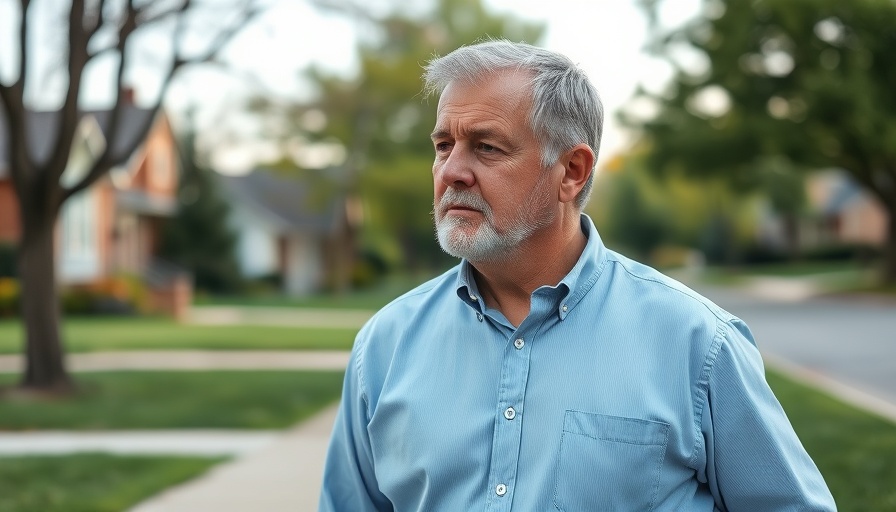
Middle-aged man standing outside in a suburban neighborhood reflecting.

Understanding the Weight of Policing in a Hostile Environment

In a world where trust in law enforcement seems to be diminishing, the emotional toll on police officers grows more concerning. A stark reality emerges in Chicago, where statistics reveal that over the past decade, 53 officers have died by suicide—an alarmingly high figure that reflects the overwhelming pressures faced daily by those who serve. As retired Chicago police sergeant Rick Nigro aptly notes, officers often feel like 'the pariahs of the civil service.'

Emotional Toll and Mental Health Concerns

The notion of policing in a city that is often at odds with law enforcement poses serious emotional risks. Officers in Chicago contend with the scrutiny and alienation from the public, leading to increased mental health struggles. The environment is fraught with stigma regarding seeking help for mental health issues, further exacerbating the situation. The fear of being labeled weak often prevents officers from accessing necessary resources for their mental well-being.

Historical Context: The Changing Role of Police

Historically, police officers were viewed as community protectors, invested in the safety and security of their neighborhoods. However, this perception has shifted dramatically, especially in the wake of high-profile cases of police violence. Social unrest and protests have reshaped the narrative, resulting in police becoming symbols of a system under siege rather than allies of the community. This evolving landscape presents a unique challenge for current and aspiring officers who must navigate their roles amid growing animosity.

Community Relations: Building Bridges or Widening Gaps?

The relationship between the police and the community is more strained than ever. This divide can have profound implications on public safety and officer morale. Community initiatives aimed at fostering dialogue and building trust are essential but must be genuine and sustained efforts. Programs that encourage participation from all sides can create pathways to understanding, offering both the police and residents a shared stake in improving safety and community relations.

Looking Ahead: Future Challenges and Opportunities

As we look to the future, the challenges for police departments in cities like Chicago remain immense. Integrating mental health support systems for officers, improving training on community engagement, and navigating the complexities of public sentiment are just a few of the hurdles authorities must address. Furthermore, as technology continues to evolve, departments must adapt to new tools that can aid in building community trust while also maintaining officer safety.

Your Role in Changing the Narrative

As citizens, your engagement is vital in reshaping the narrative around policing. There is a pressing need for community members to voice their concerns and participate in dialogue with law enforcement. By working together to understand the challenges faced by officers, establishing open lines of communication can lead to better outcomes for both the community and the police. Get involved in local meetings or forums concerning these issues, as your participation may lead to fruitful discussions that foster positive change.

In conclusion, the path forward is fraught with complexity, but with dedication from both police and community members, healing and understanding can pave the way for a safer and more unified Chicago.

Education

22 Views

0 Comments

Write A Comment

*
*
Related Posts All Posts
12.16.2025

Unyielding Spirit of Jimmy Lai: A Beacon of Hope Against Tyranny

Update A Hero Recognized: The Unyielding Spirit of Jimmy LaiIn the heart of Hong Kong's vibrant yet tumultuous landscape, one name has come to symbolize the persistent struggle for democracy: Jimmy Lai. The founder of the now-defunct newspaper Apple Daily, Lai has faced immense personal sacrifice in his quest for freedom of expression amid China's increasing grip on Hong Kong. With over 1,800 days spent in solitary confinement, recent news of his conviction under Hong Kong's controversial national security law has drawn international condemnation and sparked discussions about the future of press freedom in the region.Tracing the Roots: From Rags to RichesJimmy Lai's journey is an inspiring tale of resilience. After fleeing Mao's China as a child, he worked as a laborer before establishing a clothing empire and ultimately, a media consortium that challenged the authority of Hong Kong's government. His rise mirrors Hong Kong's own struggle for democracy; his entrepreneurial spirit became intertwined with his advocacy for freedoms that many now take for granted. Lai did not just settle into wealth but rather leveraged it to amplify voices that opposed the regime's tightening control.The Political Landscape: A Dangerous GameLai's downfall began amid the pro-democracy protests of 2019 when he openly criticized Beijing's encroachment on Hong Kong's autonomy. His actions transformed from those of a businessman to a symbol of resistance. Yet, while many sought safety outside the city, Lai remained steadfast, determined to fight for a future that he believed was worth enduring hardship for. As Lai's daughter, Claire, poignantly put it, "a man doesn’t abandon his ship." This unwavering commitment to his homeland places him among a lineage of heroes who prioritize ideals over personal safety.The Show Trial: A Broader Reflection on DissentThe trial that convicted Lai has been widely recognized as a politically motivated spectacle. Critics, including international rights organizations, label it a farce aimed at suppressing dissent in the city. Judge Esther Toh's remarks during sentencing emphasized the court's narrow view of Lai's motivations, branding him as a traitor while dismissing the significance of a free press as vital to democracy. The implications of such a ruling extend beyond Lai himself, threatening the foundation of an open society in Hong Kong.International Reactions: Calls for SolidarityThe international community has responded almost unanimously, calling the verdict a violation of human rights. Countries like the UK and the US have condemned Lai's persecution, viewing it as indicative of China's broader strategy to quash legitimate dissent. Lai's son, Sebastien, has called for decisive action from government leaders in the West, pressing them to leverage relationships with China for his father's release. The sentiment resonates especially among top wage earners in Philadelphia, who may see parallels in their own fight against bureaucracy and regulations that inhibit freedom.Aftermath and Future Prospects: What Lies Ahead?As Jimmy Lai prepares to face a potential life sentence, his struggle underscores the importance of solidarity and perseverance against oppressive regimes. The world watches closely, as the case will likely influence future international relations both between governments and among citizens advocating for human rights. Lai's plight raises a critical question: What price are individuals willing to pay to uphold their beliefs?In remembering figures like Lai and renowned Hollywood director Rob Reiner, whose legacy of joy and storytelling serves as a reminder of the power of love, we must reflect on our values and the importance of fighting for the freedoms we cherish most. While Lai's story is tinged with sadness and uncertainty, it also serves to inspire those who have the privilege of normalcy to advocate for their counterparts risking everything for freedom.

12.16.2025

Exploring the Critical Role of Character in U.S. Elections

Update The Role of Character in Political LeadershipAs we reflect on the significance of character in the presidency, it is crucial to understand how personal virtues can influence governance. Senator Bob Rumson’s recent commentary raises the question of whether character should be central to the electoral process. In a world increasingly polarized by personal and political beliefs, this discussion is not merely rhetorical; it impacts the choices voters make. The poignant words of President Andrew Shepherd from the film The American President resonate deeply today: 'We have serious problems to solve, and we need serious people to solve them.'The Intersection of Personality and PoliticsInsights from renowned political scientists highlight the importance of character in evaluating presidential candidates. For instance, James David Barber’s categorization of presidential characters sheds light on how personality affects leadership styles. Active-positive presidents tend to adapt flexibly, utilizing their strengths to navigate the complex landscape of modern governance. In contrast, passive-negative types often lack the assertiveness needed to address pressing national issues. Thus, understanding a candidate's character can help voters predict how effectively they may govern.Current Context: A Call for Serious LeadershipGiven today's contentious political climate, Rumson’s calls for accountability challenge us to reconsider what we seek in our leaders. The debate surrounding leadership resonates with the historical context of character in politics, where memorable figures have often faced scrutiny based on their integrity and decision-making. As the country prepares for the next election cycle, voters have the opportunity to demand candidates embody the virtues of humanity and justice, traits that should ideally form the foundation of our democratic process.The Value of Understanding Political CharacterUnderstanding the nuances of political character is incredibly valuable, particularly for informed voters. Why should we care beyond party affiliation? Because character influences policy decisions, the trustworthiness of information shared, and ultimately the efficacy of governance itself. As individuals navigate their civic responsibilities, an emphasis on character can lead to a more engaged and conscientious electorate.Final Thoughts: Engaging with the Political ProcessAs we engage in discussions about the upcoming elections, let us remember that acknowledging character in our leaders is not simply an exercise in rhetoric but a vital component of democratic health. Voters must weigh personal virtues alongside policies, considering not only who they wish to lead but what kind of governance they value. Ultimately, this commitment to character will shape the future of our nation.

12.15.2025

Bloodshed at Brown and Bondi: A Call for Change Amid Rising Violence

Update The Horrific Events at Brown University and Bondi BeachIn a disheartening turn of events, Saturday, December 14, was marred by violence, bringing to the forefront the urgent discussions surrounding gun control and the safety of communities. A gunman launched a brutal attack at Brown University, tragically resulting in the deaths of two students and injuring eight others. As students huddled in hiding during the 13-hour lockdown, the fear that these incidents would touch their lives became a painful reality. As Victoria Zang, a senior, poignantly expressed, "Every single time, I pray first for the students, and then that my school is not next. I can’t pray for that anymore." This sentiment strikes a chord across campuses everywhere, exemplifying the profound societal trauma marked by recurring gun violence.Antisemitism and Violence: A Growing ConcernWhile the U.S. grappled with this tragedy, thousands of miles away in Sydney, Australia, a shooting unfolded on Bondi Beach that shockingly targeted the Jewish community during Hanukkah celebrations. Two gunmen, identified as father and son, claimed the lives of 16 individuals, including a rabbi and a Holocaust survivor, leaving families shattered and communities in mourning. Australian Prime Minister Anthony Albanese called the incident an act of antisemitism and a terrorist attack, igniting public outrage and demands for strengthened gun laws across the nation. Albaneze's proposed changes seek to address the gun ownership laws in light of this unprecedented attack, as the Bondi incident marked the deadliest mass shooting since the infamous Port Arthur massacre in 1996.Community Responses: Heroism Amid ChaosIn the aftermath of the Bondi shooting, the response from the community has been nothing short of extraordinary. Accounts detail how, even in the chaos, numerous citizens rushed to help. Lifeguards trained to respond to emergencies were among the first to act, using their skills to provide care and assistance to the injured. Matias Bengolea, a local lifesaver, shared the astonishing scene of courageous individuals performing CPR amid a festive atmosphere, showcasing the resilience and solidarity woven within the fabric of the community. His reflection illustrates that while chaos is deeply unsettling, acts of bravery and support speak volumes about the human spirit in adversity.The Rising Tide of Antisemitism in AustraliaThe recent violence against the Jewish community has prompted an urgent discourse about growing antisemitism and its implications. As Jewish leaders like Julie Szego and Ayaan Hirsi Ali highlight, the continued denial of rising antisemitic violence against Jewish individuals and institutions must be confronted. Szego claimed, “Now do you believe us?” questioning the complacency of a broader societal narrative that has historically underplayed antisemitism. The attack on Bondi Beach serves as a horrifying reminder of the urgent conversations needed around both antisemitism and gun violence, bolstering the call for societal help and anti-racism advocacy.A Call to Action: Understanding and Addressing the CrisisIn a time clouded by grief, there lies an opportunity for each of us to engage with these pressing issues. For top wage earners in Philadelphia, the events at Brown University and Bondi Beach may seem distant, but they resonate with universal themes of safety, community strength, and the moral obligation to stand against hatred. The responsibility falls on all of us to confront narratives that escalate violence and promote division. Supporting local organizations that advocate for community well-being, engaging in conversations about the importance of mental health, and fostering a culture of acceptance and resilience can contribute to a positive change within our neighborhoods.Conclusion: The Urgency of ChangeIn light of the heart-wrenching events at Brown University and Bondi Beach, it is imperative for communities, leaders, and individuals to unite and respond to the rising tide of violence and hatred. Now is the time to firm up our commitment to safety, inclusivity, and the preservation of life. To help create a peaceful future, consider engaging with local community efforts to promote inclusivity and advocate for sensible policies to address gun violence. Stand up, speak out, and be the change needed to protect our neighborhoods and ensure safety for all.

Terms of Service

Privacy Policy

Core Modal Title

Sorry, no results found

You Might Find These Articles Interesting

T
Please Check Your Email
We Will Be Following Up Shortly
*
*
*