Add Row
Add Element
cropper
update
Phillyx.Com
update
Add Element
  • Home
  • Categories
    • Feature
    • Health
    • Family
    • Style
    • Home
    • Arts
    • Giving
    • Education
    • Travel
    • Money
    • Sports
August 03.2025
2 Minutes Read

Smithsonian Updates Trump Impeachment Display: What It Means for Philadelphia

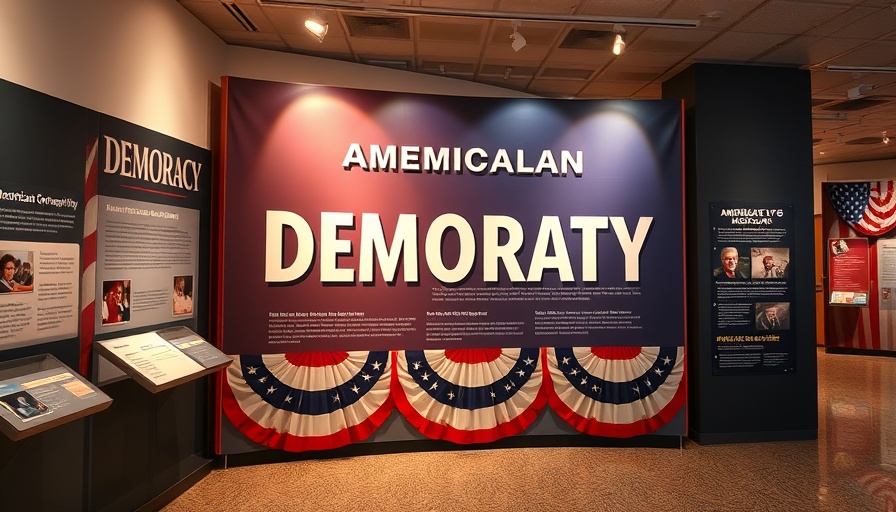
Smithsonian exhibit on American Democracy with patriotic theme.

What’s Changing at the Smithsonian?

The Smithsonian's National Museum of American History in Washington, D.C. is set to update its display related to the Trump impeachment. Originally part of a broader exhibit focused on telling the story of America through significant events, the display will now more accurately reflect the unprecedented political circumstances surrounding the impeachments of former President Donald Trump.

Why This Update Matters

With ongoing discussions about the relevance of presidential history in the current political climate, the museum aims to clarify the historical significance of these events as they unfold. By updating the display, the Smithsonian positions itself as a dynamic institution that acknowledges the continuous evolution of American political narratives.

The Historical Context of Presidential Impeachments

Presidential impeachments are rare moments in American history, encompassing a mix of political maneuvering, legal battles, and public opinion. The Trump impeachments, resulting from allegations related to abuse of power and obstruction of Congress, marked significant milestones that may be viewed through various lenses—political, social, and cultural. Viewing these events in the context of past impeachments, such as those of Andrew Johnson and Bill Clinton, allows for a comprehensive understanding of how American politics has evolved.

Sparking Conversations in the Community

For Philadelphia's top wage earners, this update at the Smithsonian isn’t just an artistic endeavor; it’s an invitation to engage in discussions about democracy, public accountability, and civic responsibility. The display’s changes provide a focal point for conversations regarding how history is recorded and remembered—especially in a society where opinions about political figures can deeply divide public sentiment.

Engaging With Capitol Artifacts

Visitors to the museum can expect a blend of historical artifacts and modern interpretations. The exhibit will feature items directly linked to the impeachment process, offering tangible connections to history. This enriches the experience for attendees and endeavors to spark dialogue on accountability and governance, especially in a time when civic engagement is critically needed.

Get Inspired by Local History

Learning from history helps to foster a sense of community. When local residents engage with the updates at the Smithsonian, they become part of a broader narrative that links Philadelphia’s rich history with the national story. This connection between local and national events can inspire residents to cherish their community contributions while reflecting on the values that underpin our democracy.

Call to Action

If you're in Philadelphia and care about the preservation of political history, plan a visit to the Smithsonian's National Museum of American History. Experience firsthand the updated display on the Trump impeachments and engage with your fellow community members in conversations that celebrate our shared history and their implications for the future.

Arts

22 Views

Write A Comment

*
*
Related Posts All Posts
01.31.2026

The Profound Legacy of Chung Sang-hwa: A Master in Monochrome Art

Update Remembering Chung Sang-hwa: A Legacy of Monochrome Mastery The art world is mourning the loss of Chung Sang-hwa, a monumental figure in Korean modern art, who passed away on January 28 at the age of 93. Renowned for his role in the dansaekhwa movement, Chung's work has transcended generations, capturing the essence of repetitive, meditative artistic practice. His unique approach to monochrome painting—a method that emphasized physical endurance and relentless focus—continues to inspire artists and art lovers alike. The Impact of Dansaekhwa on Contemporary Art Dansaekhwa, which translates to "monochrome painting," emerged in Korea during a time of sociopolitical upheaval. This art form resonates strongly with Korea's post-war identity, shaped by the echoes of the Korean War and cultural shifts in the decades that followed. Artists like Chung viewed their craft as a method of inquiry and expression, pushing the boundaries of traditional painting techniques while emphasizing the meditative process involved. As Chung himself stated, his work was defined by "performing the same action over and over again to the point of absurdity." This dedication to the process rather than the result has placed dansaekhwa on the global stage, particularly as recognition for non-Western art movements gains momentum. The Philosophical Roots of Dansaekhwa Chung's artistic journey reflects a profound engagement with Eastern philosophies, particularly Buddhist and Taoist concepts that value introspection and materiality. The act of creation became a spiritually enriching practice, as he explored how to transform the canvas into a dialogue between the artist and the materials used. As seen in his works, this method not only produced compelling visual outcomes but also invited viewers to engage in contemplation, showcasing art that transcends mere aesthetic enjoyment. An Icon of Resilience and Identity Born in Yeongdeok, North Gyeongsang province in 1932, Chung faced personal and national adversity from a young age. Despite his family's disapproval of his decision to pursue art, he persevered, attending the College of Fine Arts at Seoul National University shortly after the Korean War. His works, characterized by cracking monochrome surfaces that create a signature grid, are testaments to his enduring spirit and the trials of his time, echoing the emotional landscape of a nation in recovery. A Legacy of Influence Chung Sang-hwa's influence extends beyond simply the visual; his methodology has shaped a generation of contemporary Korean artists. The likes of Haegue Yang and Do Ho Suh, who now explore new media and engage with global issues, acknowledge the significant groundwork laid by dansaekhwa pioneers. Chung’s dedication to process and the spiritual ethos embedded in his artistry offer a counter-narrative to the often fast-paced, commercialized art world of today. Reflection and Tribute As the global art community reflects on Chung's passing, his contributions to dansaekhwa and its philosophical underpinnings are being recognized as cornerstones of Korean contemporary art. Each of his pieces invites a slowing down—an opportunity for contemplation amid the chaos of modern life, urging us to embrace both the intricacies of the art and the stories they tell. His legacy is not just of painted surfaces, but of resilience, belonging, and profound introspection. Chung Sang-hwa’s artistry and the narrative of dansaekhwa will no doubt continue to influence future generations, encouraging not only appreciation for Japanese aesthetics but also a deeper understanding of the socio-cultural dynamics that shape artistic expression across the globe. In celebrating his work, we honor a passion for art that will endure, echoing through time and culture.

01.30.2026

How Minneapolis Artists Use Creativity as Resistance Against ICE

Update Creativity as Resistance: Minneapolis Artists Take a Stand Against ICE In a notable display of solidarity and activism, Minneapolis artists are literally putting their bodies on the line in protest against Immigration and Customs Enforcement (ICE). Inspired by the oppressive tactics used by ICE, they are transforming their artwork into a powerful weapon for social justice. This movement has burgeoned into a vibrant tapestry of art, messaging, and intense community engagement, making a noteworthy statement amidst a turbulent socio-political climate. The Power of Art as Activism One standout figure, Sean Lim, has utilized his platform to catalyze a significant anti-ICE art movement. Lim's work, which includes posters declaring “We Love Our Immigrant Neighbors,” has become ubiquitous in protests and demonstrations. "Art has always been a tool for organizing," says Lim, emphasizing that art can serve as a narrative tool for social movements just as it has historically in campaigns for justice. This sentiment resonates deeply with other local artists who are contributing their voices and designs to the cause as well. Another artist, D Guzman, reflects on her background and inspirations, stating, "My parents immigrated here from Mexico, and I wanted to channel that experience into my designs." Guzman’s illustrations, depicting loons breaking chains, highlight the fight for freedom and solidarity with immigrant communities. Through such emotional and culturally rich art, local artists are marching with purpose, creating reflections of their lived experiences while uniting the community around a common cause. Community Unification Through Art The role of community is vital in these artistic protests. Groups of artists gather each weekend to create and distribute free printed materials like T-shirts and posters, which not only amplify their message but also deepen community engagement. It’s a grassroots movement that invites those frustrated by ICE’s overreach into a forum where they can express their solidarity. This unification transforms anger and fear into a palpable collective voice. As the Minneapolis community collectively reshapes public spaces into art installations of resistance, the aesthetic of the protest becomes a marker of resilience. The imagery, often rich with references to local culture and immigration, speaks directly to the pain and hope of many families facing deportation. An Evolving Cultural Landscape The recent events sparked by tragic figures like Renee Good, who was killed by ICE agents, further galvanize this movement, leading to heightened urgency among artists and activists across the country. The collaboration between artists and local businesses has resulted in a flurry of protest art, with many shops joining the fight by displaying pro-immigration signage or creating a welcoming space for dialogue. Emily Brooks, an advocate for local initiatives, notes the impactful role of these artistic interventions. “Art has the unseen power to evoke emotions and challenge perceptions,” she explains. This transformative experience echoes in the words of many who come together, reflecting a diverse range of experiences while building a culture of resistance against systemic injustice. The Future of Art and Activism As this vibrant movement flourishes within Downtown Minneapolis, it raises critical questions about the role of art in activism. Will this be viewed as a significant turning point for community art? Can art create lasting change in social narratives? The community's unwavering spirit serves to inspire others facing similar struggles, elevating the conversation around immigration enforcement and growing the dialogue even beyond the confines of their cities, resonating nationally and even globally. As local artists continue to produce poignant pieces that resonate with current events, their work becomes a beacon of hope and courage. It reminds us that creativity isn't just about aesthetics; it is a vital form of protest. The Minneapolis art scene stands as a testament to the strength of community, reminding us that every voice matters in the fight for justice. In these challenging times, it is crucial for those passionate about social change to join local efforts, support their artists, and engage in meaningful discussions. Together, we can amplify these voices and inspire action across the nation. Discover what you can do in your community to help support the arts and participate in social justice movements.

01.29.2026

Museum of Fine Arts Layoffs Signal Troubling Times for Arts

Update Boston's Artistic Landscape Faces a Shocking Change The Museum of Fine Arts (MFA), Boston, has announced plans to lay off over 30 staffers, an unprecedented move in these challenging economic times. For a city renowned for its vibrant arts scene, this news strikes a chord not only with local art enthusiasts but also with professionals and patrons alike. The museum's decision reflects the ongoing financial struggles faced by cultural institutions, highlighting the tough decisions that organizations are grappling with as they strive to maintain their operations amidst economic volatility. A Ripple Effect on Boston's Arts Community As a key player in Boston’s cultural sphere, the MFA provides more than just art exhibits; it is a hub for community engagement, education, and creativity. The impending layoffs will inevitably ripple through the local art community, affecting everything from educational programs to outreach initiatives that encourage participation from diverse audiences. Top wage earners in Philadelphia, who frequently visit Boston for cultural enrichment, may be particularly impacted, as these changes could deter visits to the museum and other cultural sites. Why Is This Happening? The wave of layoffs comes on the heels of a broader trend affecting museums and galleries across the country. Many are facing budget shortfalls due to a combination of decreased patronage during the pandemic and ongoing operational costs. The MFA's announcement is indicative of the tough choices many cultural organizations have had to make to ensure their survival. Despite the museum’s value in maintaining the city's artistic heritage, it faces the harsh reality of financial sustainability, leading to what many decry as a loss for both employees and the community. The Broader Implications This situation at the MFA opens up important discussions about the future of nonprofit art institutions. As these organizations continue to navigate fiscal challenges, new fundraising models and community support mechanisms might be necessary to keep the spirit of creativity alive. Not only does this affect job security for staff, but it may also influence the quality and diversity of programming offered, which is vital for engaging the next generation of museum-goers who come from all backgrounds. Next Steps for Supporting Boston's Arts Scene For concerned patrons and art lovers, there are actionable steps to consider. Supporting local artists, attending events, and increasing museum membership can provide essential funding that directly impacts operations. With the MFA facing this critical juncture, a communal push towards sustaining arts funding can help ensure that institutions remain vibrant places for all to experience. Local Philadelphians have always admired Boston’s cultural offerings; this moment could be an opportunity to rally support not just for the MFA but for the arts more broadly. Take Action: Support Your Local Arts In these uncertain times, communities can help preserve the cultural institutions that define their cities. Become a member, donate resources, or simply visit to keep the spirit of art alive and thriving. Let’s ensure that Boston, and similarly robust art scenes, continue to educate, inspire, and connect us all.

Terms of Service

Privacy Policy

Core Modal Title

Sorry, no results found

You Might Find These Articles Interesting

T
Please Check Your Email
We Will Be Following Up Shortly
*
*
*