Add Row
Add Element
cropper
update
Phillyx.Com
update
Add Element
  • Home
  • Categories
    • Feature
    • Health
    • Family
    • Style
    • Home
    • Arts
    • Giving
    • Education
    • Travel
    • Money
    • Sports
July 12.2025
3 Minutes Read

The Real Story Behind Casamigos and Don Julio Tequila Controversies

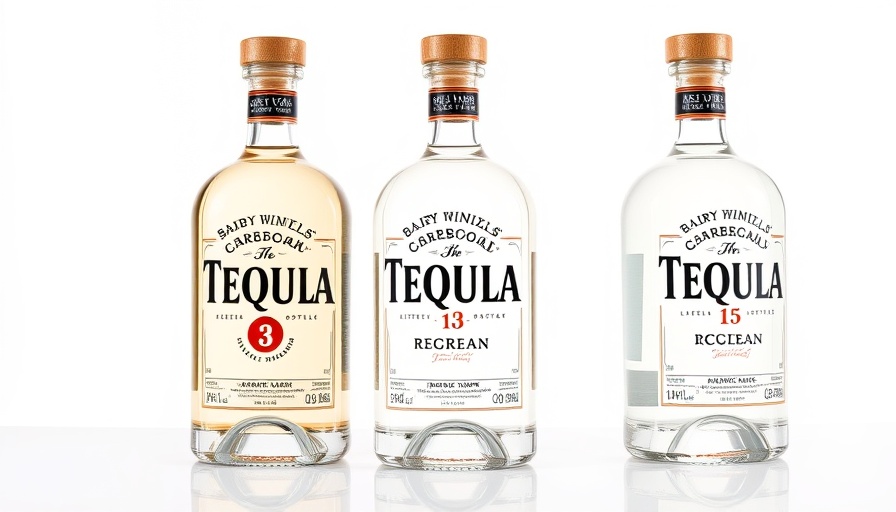
Three tequila bottles on white background related to adulterated tequila lawsuits.

Understanding the Controversy Behind Casamigos and Don Julio

Recent lawsuits against Diageo, the parent company of popular tequila brands Casamigos and Don Julio, have raised serious questions about the authenticity of these products. Accusations claim that these tequilas, which are often marketed as being crafted from 100% Blue Weber Agave, may actually contain a significant percentage of cane alcohol or other additives, thus compromising their quality and authenticity. These claims have caught the attention of consumers and critics alike, particularly among premium tequila drinkers who expect high standards in their spirits.

Tequila's Strict Regulations

The heart of the issue lies in the guidelines set by the Tequila Regulatory Council (CRT) in Mexico. These regulations are designed to maintain the integrity of tequila production, stipulating that any product labeled as 100% agave must consist solely of Blue Weber agave, with permissible additives capped at under one percent. However, the lawsuits claim that both Casamigos and Don Julio do not adhere to these standards, presenting a potential legal predicament for Diageo and an alarming revelation for consumers who have invested in these premium brands.

Consumer Backlash: A Community Response

As news of this controversy spreads, consumers are scrutinizing what they put into their glasses. Some tequila enthusiasts, particularly in Philadelphia—a city known for its vibrant bar scene—are speaking out. They express concerns over transparency in the alcoholic beverage industry and a desire for greater accountability from brands that they’ve come to trust. This resonates strongly in a social climate where consumers demand authenticity in every product, thus igniting a grassroots movement to hold brands accountable.

Scientific Testing: Hard Evidence or Misinformation?

The ongoing legal disputes include lab results alleging that samples of Casamigos and Don Julio displayed alarmingly low ethanol levels derived from agave. For instance, lab tests cited in the lawsuits revealed that Casamigos Blanco contained only 33% ethanol from agave, well below the threshold required for even a mixto tequila. This raises questions about the quality claims made in their marketing materials and casts a shadow over the products’ perceived premium status.

The Future of Premium Tequila Branding

As these lawsuits progress, the future of premium tequila brands could be at risk. If Diageo is found to have mislabeled its products, it could trigger a reevaluation of the entire industry’s marketing practices. Consumers might start to demand more transparency in labeling, leading to stricter regulations and possibly reshaping how brands communicate the authenticity of their products. This evolution could benefit both consumers seeking quality spirits and the integrity of the tequila market.

Take Action: Know Your Tequila

For those who enjoy tequila—whether you're sipping it at a local bar or hosting friends at home—now is the time to stay informed about the products you choose. Keep an eye out for transparency in labeling and consider supporting brands that prioritize quality and authenticity. As a consumer, your choices can influence the market and encourage brands to uphold the standards that reflect the true essence of tequila.

Feature

0 Views

Write A Comment

*
*
Related Posts All Posts
01.31.2026

Reviving the Legacy: The Elegance of the Alvis Drophead Coupe

Update Discovering the Elegance of the Alvis Drophead Coupe When one thinks of iconic British luxury cars, names like Rolls-Royce, Aston Martin, and Bentley may immediately come to mind. However, tucked away in the annals of automotive history lies the exquisite Alvis Drophead Coupe—a marvel that combines elegant design and historical significance. Reviving a Forgotten Legacy to Cherish The Alvis Car and Engineering Company, established in 1919 in Coventry, England, had a remarkable journey before falling into obscurity in the late 1960s. Thanks to the dedication of collectors like Alan Stote, Alvis is no longer a mere footnote in automotive history. In 2008, Stote successfully revived the brand by acquiring its original parts, leading to the restoration and creation of new vehicles, beautifully echoing the craftsmanship of yesteryears. A Journey Through Time: The Evolution of Alvis Between 1958 and 1967, the Alvis Drophead Coupe graced the roads as a symbol of luxury and finesse. Initially launched as the TD21, the model underwent two subsequent transformations: the TE21 and the TF21. Each iteration offered enhanced features, including a powerful 3.0-liter inline-six engine, known for delivering an adequate performance of up to 150 hp. This impressive power enabled the TF21 model to reach a top speed of 120 mph, making it the fastest among its brethren, showcasing that elegance can indeed coexist with speed. More Than Just a Car: A Piece of Art The design of the Alvis Drophead Coupe is a visual symphony. Crafted by Swiss coachbuilder Graber, its design sensibilities were complemented by the craftsmanship of Park Ward, a noted subsidiary of Rolls-Royce. The proportional and graceful silhouette has become emblematic of British luxury, making each Alvis a coveted piece among collectors. The Drophead's soft lines and aesthetic appeal resonate deeply with enthusiasts seeking more than just a vehicle, but rather an automotive masterpiece. Current Status: A Collector's Gem Despite its rich history and luxurious features, the Alvis Drophead Coupe remains an overlooked gem in today’s classic car market. Prices for such exquisite models often range from $50,000 for good-condition TF21 Drophead Coupes to $120,000 for those in concours condition. Such investment appeals not only to car enthusiasts but also to those looking to own a unique piece of history, blending both artistry and engineering. The Appeal of a Modern Continuation For those wishing to own a brand-new Alvis, the current Alvis Car Company offers continuation models that pay homage to their predecessors while incorporating modern enhancements. The allure of these vehicles is undeniable, allowing you to experience the elegance of an Alvis with the benefits of modern performance and safety standards. For those among Philadelphia’s elite who appreciate the finer things in life, the Alvis Drophead Coupe represents not just a refined automobile, but a chance to own a story, a legacy, and a shining piece of British history. Consider exploring the world of classic cars—it might just spark that passion and connection to the extraordinary.

01.27.2026

Millennial Wine Tastes Transform Napa and Sonoma: Discover How

Update How Wineries Are Embracing Millennial Preferences In a landscape where the wine industry faces shifting consumer preferences, Napa and Sonoma wineries are adapting their strategies to woo the largest wine-drinking generation in the United States: millennials. The Wine Market Council's 2025 US Wine Consumer Benchmark Segmentation Survey revealed that millennials now represent 31% of all U.S. wine drinkers, surpassing baby boomers at 26%. This age group embraces sustainability, quality, and authenticity—values that wineries are beginning to prioritize. The Shift Towards Sustainability and Authenticity As millennials move into life stages associated with increased spending, their wine consumption patterns reflect a greater interest in environmentally friendly practices. Wineries are no longer seeing success with standard sales models; instead, they are enhancing their marketing through tailored experiences that highlight their authentic stories. For instance, Williams Selyem in Sonoma is implementing educational programs for younger wine drinkers, preparing them for wine-tasting experiences they may have in their social lives or careers. Philip O'Conor, the winery's vice president of sales and marketing, mentions the importance of understanding wine lists and collection strategies, engaging consumers in wine culture from a younger age. The Future of Wine Marketing: A Focus on Experiences Wineries like Annulus are capitalizing on direct-to-consumer sales strategies that appeal to a younger audience. By eliminating traditional allocation models, they encourage a more exploratory approach where drinkers can sample various wines without long-term commitments. Their relaxed, family-style offerings and focus on approachable experiences are reshaping wine tasting into more than just sipping—it's about enjoying moments with loved ones, aligning perfectly with millennial preferences for casual settings over formalities. Innovative Approaches in Wine Experiences Brands like Jackson Family Wines are making wine purchasing easier with streamlined online experiences that reflect modern consumer habits. Their focus on organic farming practices and storytelling resonates with younger buyers who seek transparency about their purchases. Engaging customers through digital storytelling around sustainability and ethical practices is proving pivotal in attracting a market increasingly concerned about the origins of their food and drink. Conclusion: What This Means for Philadelphia Consumers As the wine industry evolves, those in Philadelphia, particularly top wage earners, may see a shift in wine offerings aimed at creating unique experiences rather than just selling a product. Wineries are not just selling wine; they're inviting millennials and Gen Z into a community defined by shared values, sustainability, and authentic experiences. For local consumers, the evolving landscape of wine consumption presents an exciting opportunity to explore and engage with new flavors that reflect contemporary values. So why not dive into this vibrant world of wine? It’s not just about drinking; it’s about experiencing and embracing the culture.

01.24.2026

Johnny Carson’s Bel Air Estate Listed at $40 Million: A Worthy Investment

Update The Iconic Legacy of Johnny Carson’s Bel Air Home Famous late-night talk show host Johnny Carson’s former mansion in Bel Air has recently been put on the market for nearly $40 million, inviting a new era of appreciation for its rich history and lavish features. Carson, known for his charm and wit, lived in this home with his third wife, Joanna, during some of his most famed years on The Tonight Show. Their bittersweet love story adds another layer of intrigue to this luxurious estate. Charitable Foundations: Continuing Carson's Generosity What makes this listing even more heartwarming is that proceeds from the sale are earmarked for significant charitable contributions to Cedars-Sinai Medical Center, the David Geffen Foundation, and SHARE, which provides assistance to disabled, abused, and neglected children. This continuing legacy of generosity aligns with the philanthropic spirit of both Johnny and Joanna Carson, who believed in using their resources for the benefit of others. The Architectural Treasure: A Look at the Home's Features Originally built in 1950, this midcentury-modern property sits on 1.5 sprawling acres in the prestigious East Gate enclave. With its gated driveway and expansive motor court, the home boasts six bedrooms and eleven bathrooms across a luxurious 9,000-square-foot layout. Entering the home, visitors are greeted by a marble foyer leading to a formal living room equipped with an elegant wet bar. Beyond the lavish interiors, the estate offers impressive outdoor amenities including a lighted tennis court, a sundeck, and a refreshing pool and spa, encapsulating the glamorous lifestyle famously associated with the Carsons. Joanna Carson: Beyond the Glamour Joanna Carson's influence on this estate goes well beyond being a mere resident. Remembered not only for her beauty as a model but also her impressive contributions to various charities, Joanna was a significant figure in Hollywood and philanthropy alike. After her marriage to Carson, she successfully navigated the realms of fashion and theater, producing Broadway shows and supporting vital causes over decades. She reportedly funneled nearly $200 million into charitable organizations, leaving behind an inspiring legacy that continues to benefit numerous communities. The Future: What Lies Ahead for This Estate? As this iconic property opens its doors to prospective buyers, it invites conversations not just about luxury real estate but also about legacy and community impact. For residents in Philadelphia's affluent circles, this is an opportunity to acquire a piece of television history while contributing to noble causes just as Carson would have intended. This Bel Air estate is an extraordinary blend of opulence, nostalgia, and a commitment to charitable giving. The next owner will not only inherit a magnificent abode but also a vibrant history infused with compassion and creativity. As we move forward, it’s vital to focus on how these funds can empower lives and enrich communities thanks to the Carsons' enduring spirit of generosity.

Terms of Service

Privacy Policy

Core Modal Title

Sorry, no results found

You Might Find These Articles Interesting

T
Please Check Your Email
We Will Be Following Up Shortly
*
*
*