Add Row
Add Element
cropper
update
Phillyx.Com
update
Add Element
  • Home
  • Categories
    • Feature
    • Health
    • Family
    • Style
    • Home
    • Arts
    • Giving
    • Education
    • Travel
    • Money
    • Sports
June 04.2025
3 Minutes Read

Who are the Young Democrats Challenging Biden's Leadership?

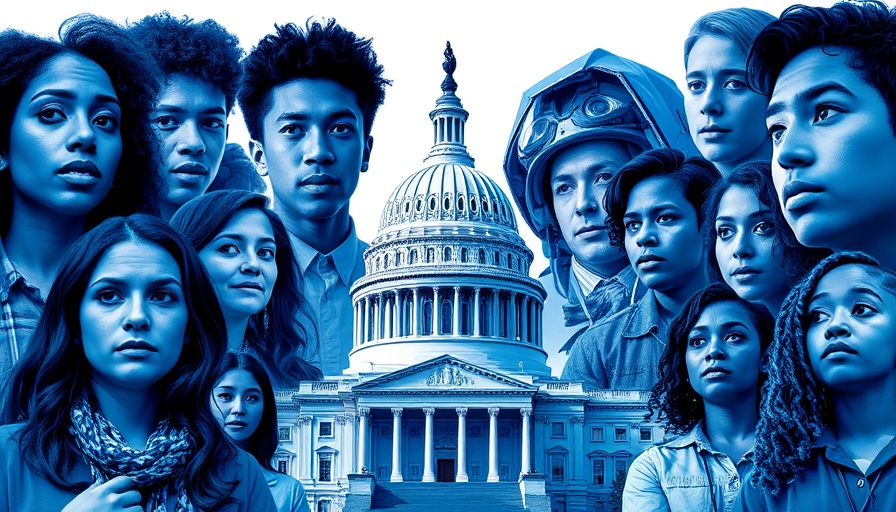
Collage of young leaders challenging Biden in blue-themed political imagery.

Introducing the New Wave of Democratic Candidates

As the 2026 midterms approach, the Democratic Party finds itself at a crossroads. A cadre of fresh-faced candidates, largely under 40, is challenging the existing political elite, and the stakes have never been higher. This emerging movement comes from a younger generation of Democrats who are openly frustrated with the status quo, and this discontent has propelled them into the political arena.

Younger Democrats Pushing Change

This new wave of political challengers is characterized by a distinct sense of urgency and anger toward older leaders who, they argue, have repeatedly failed to address the needs of their constituents. Candidates have begun to vocalize their frustrations, not just with policies, but with what they perceive as an outdated form of governance. Many are inspired by the book Original Sin, which critiques the Biden administration and addresses concerns over his cognitive health, raising doubts about the viability of existing leadership.

Campaign Strategies of a Discontented Generation

The campaign strategies of these candidates reflect a mix of earnest populism and a potent desire for genuine change. For instance, Abdul El-Sayed, a gubernatorial candidate in Michigan, is gaining traction with messaging that resonates with young voters eager for authenticity. Similarly, New York City mayoral contender Zohran Mamdani embodies a fresh approach to governance that contrasts sharply with older political figures. With 15 House Democrats already facing primary challenges, the spirit of competition is ramping up, signaling that this generation is determined to seize power.

Women vs. Men in the Democratic Race

Interestingly, this cohort of candidates is predominantly male, which stands in stark contrast to the last wave of Democratic challengers during the Trump era. The rise of women leaders like Alexandria Ocasio-Cortez and Ilhan Omar was pivotal in 2018, but this cycle appears to be led more by young men, raising questions about diversity within the party's insurgent ranks. As Amanda Litman from Run For Something notes, “It’s crucial that we pay attention to the dynamics of these new entries and how they affect the party’s narrative.”

The Role of Anger in Political Engagement

The palpable anger among these younger Democrats can be both a motivator and a challenge. While fostering political engagement, this emotion also risks alienating more moderate voters who may see these newcomers as too extreme. This juxtaposition presents an interesting dilemma for the party at large: how to harness the energy of younger voters while maintaining broader electoral appeal.

Looking Towards the Future of the Democratic Party

The 2026 midterms will undoubtedly serve as a litmus test for this new generation of Democratic candidates. As they prepare for primaries, the question remains: can they channel their anger into successful campaigns that resonate not just within progressive silos, but across the broader American electorate? The answers to these questions will ultimately shape the Democratic Party's future.

Join the Conversation

As the political landscape continues to shift, it's increasingly important for individuals, especially high earners in cities like Philadelphia, to stay informed and engage in political discussions. The rise of these new candidates offers a unique perspective on the issues at stake. Staying connected with local and national politics is crucial for understanding how these changes might impact you. Get involved!

Education

29 Views

Write A Comment

*
*
Related Posts All Posts
02.01.2026

The Challenges to Press Freedom: Don Lemon’s Arrest and Its Implications

Update The Controversy Surrounding Don Lemon's Arrest In a striking example of the ongoing tension between journalism and law enforcement, former CNN host Don Lemon was arrested after an anti-ICE protest at Cities Church in Minneapolis. This incident has sparked intense debate around press freedom, particularly in light of federal charges that many believe infringe on Lemon's rights as a journalist. While some argue that Lemon's actions justify legal scrutiny, the broader implications for journalistic integrity and freedom remain at the forefront of this discussion. Legal Perspectives on Journalism Legal experts outline that Lemon's potential liability rests not in his role as a journalist, but in his alleged involvement in a conspiracy to obstruct worshippers at the church. Most notably, 18 U.S.C. § 241 – which addresses the oppression of individuals exercising their constitutional rights – comes into play. Although the government must present clear evidence of Lemon's complicity in the criminal act, it has been suggested that proving such involvement could be a substantial challenge. As the legal community observes, there has historically been a hesitance to prosecute journalists unless a concrete nexus to criminal conduct is established. Reporters as Witnesses vs. Participants At the heart of the debate is whether journalists can be considered neutral observers in politically charged scenarios. Lemon’s case brings to light a critical question: when does covering the news cross into active participation? As the charges against him imply a conscious decision to engage with protestors prior to the event, the judicial system must contend with the gray area that exists between reporting and participating. In a democracy, the ability to document protests and civil unrest is essential; however, if journalists are implicated in criminal activities surrounding these events, it damages the integrity of press freedom. A Broader Pattern of Censorship and Legal Challenges for Journalists Don Lemon's arrest is not an isolated incident. It reflects a worrisome trend where journalists face increasing obstacles when reporting on contentious issues. As noted by Seth Stern in his commentary on the arrests, the U.S. government’s prosecutorial tactics seem to be aimed at discouraging journalists from fulfilling their role, notably during a time when critical oversight is vital. This echoes concerns raised by the Foundation for Individual Rights and Expression, which emphasizes the chilling effect such prosecutions have on freedom of the press, warning that when legal lines are blurred, the press's watchdog role diminishes. Implications for Press Freedom The stakes are high amidst Lemon's case and its ramifications for press freedom. If journalists face criminal charges for documenting events, the potential repercussions signal a decline in an environment conducive to open discourse and accountability. The ongoing legal scrutiny not only questions the viability of Lemon's defense but also presents a cautionary tale for all journalists who tread similar ground. Rights organizations suggest that maintaining an unwavering stance in defense of press freedom is of the utmost importance; journalists should be allowed to report on events without intimidation or threat of incarceration. Conclusions and Call to Action In light of the increasing scrutiny journalists are facing, now more than ever is the time for citizens to rally behind press freedom. The implications of Lemon's arrest extend far beyond his personal circumstances; they present a reality where the future of journalism could be at risk. Holding our government accountable, advocating for the rights of journalists to operate without fear of prosecution, and ensuring citizens understand the value of press freedom represents a collective duty we must undertake to uphold democratic values. Now is the time to stand for press freedom; support initiatives that protect journalists and advocate for transparency in governance.

02.01.2026

Is Trump’s Administration Waging a War on Press Freedom?

Update A Tipping Point: The Clash Over Press Freedom in Trump’s America As the nation grapples with the ramifications of a controversial arrest of independent journalist Don Lemon, the repercussions extend beyond a singular event, illuminating a systemic confrontation between the Trump administration and press freedoms across the country. The arrests of Lemon and fellow journalist Georgia Fort are symptomatic of wider efforts to stifle dissent and intimidate independent media. The Broader Context of Government Control The Trump administration's actions echo strategies employed by autocratic regimes, where the suppression of press freedoms becomes a hallmark in consolidating power. For example, in Russia, the apologetic control of public information through legislative maneuvers has facilitated the erosion of democratic institutions. Experts note that the administration’s legal and physical intimidation tactics resonate deeply with the norm-setting behaviors of authoritarian governments. Automating self-censorship of journalists is a common tactic used to silence criticism, as outlined in recent analyses of press relations under Trump. The Ramifications for Journalists and Democracy The implications of these arrests are far-reaching, fundamentally challenging the principles of a free press. As reported, Lemon’s arrest stems from actions associated with the Freedom of Access to Clinic Entrances (FACE) Act; traditionally enforced against anti-abortion activists, its use in this context raises new questions about the boundaries of journalistic activities. While Lemon’s intent was to document dissent, this arrest signals a dangerous precedent where dissenting voices are criminalized. Public Backlash and Its Significance The public's outrage at this apparent overreach has only intensified, as many Americans increasingly recognize the threat posed by the Trump administration’s actions. The killing of two white citizens by federal agents prompted a reckoning among a broad spectrum of the populace, highlighting the risks of an authoritarian regime. It has emboldened a coalition against perceived injustices and mismanagement, uniting various demographics disillusioned with federal policy. Future of Press Freedom: A Crucial Juncture As independent media faces unprecedented challenges, the nation stands at a crucial juncture. The rising hostility toward press freedoms exacerbates divisions within the electorate and complicates the governmental narrative. The actions against Lemon and Fort serve as both a warning to journalists and a rallying cry for advocates of free speech. These moments often become catalysts for mobilization, suggesting that a renewed commitment to protecting journalistic integrity may emerge in response to these authoritarian tendencies. What Can We Do? The public's response to these events can shape the trajectory of American journalism. Advocacy for press freedoms, supporting independent news outlets, and demanding governmental accountability are immediate actions citizens can take. Awareness of these issues is pivotal, as history has shown that silence in the face of creeping authoritarianism can have devastating effects.

01.30.2026

Understanding the Fallout: Public Sentiment on ICE Actions After Alex Pretti

Update Analyzing America's Immigration Dilemma: The Striking Case of Alex Pretti In recent discussions around immigration policy and enforcement, the tragic death of Alex Pretti has ignited fierce debates about the actions of U.S. Immigration and Customs Enforcement (ICE). With an increasing 59 percent of voters viewing ICE's actions as excessively aggressive, the public sentiment signals a significant turning point in immigration narratives. Claims by Kristi Noem, suggesting that Pretti aimed to inflict maximum harm, stand in stark contrast to eyewitness accounts and available evidence. Critics argue that such actions lean more toward heavy-handedness than a principled defense of law enforcement. Shifting Perspectives: Immigration and Public Sentiment The ramifications of Pretti's death extend beyond immediate outrage; they shed light on the growing frustration among the American public regarding immigration enforcement. The sentiment is particularly poignant among conservatives, as voiced by radio host Erick Erickson, who shifted his stance after reviewing the incident footage. This evolution in thought highlights a potential rift within conservative circles on the ICE's role, which historically received unqualified support. Politics at Play: The Trump Administration's Response As Trump seeks to spin this incident into fundraising momentum, the optics of his administration’s response reveal a familiar strategy of tapping into controversial moments for political gain. The contradictions within the statements from Trump appointees amplify the confusion surrounding their narrative. The recent reaction from Tom Homan suggesting that ICE's enforcement strategies in Minneapolis could improve is perhaps the closest indication of a re-evaluation in policy, albeit a slow one. Cutting Through the Noise: Numbers Speak Louder Public opinion is driven by more than anecdotes. A fresh report from the Cato Institute challenges pervasive myths about immigrants draining welfare resources, revealing that immigrants consumed about 24 percent less in benefits than their native-born counterparts. Such statistics provide a counter-narrative to politically motivated claims, suggesting a deeper look into why these misconceptions persist. Future Implications: What Lies Ahead for ICE and Immigration Policy? As the country grapples with these contentious issues, the path forward for immigration policy remains fraught with uncertainty. The growing dissent from staunch supporters within conservative ranks could lead to significant shifts in policy discussions leading into the next election cycle. With a focus on data-driven insights and personal stories, the discourse could pivot from divisive rhetoric to more compassionate solutions that address the complexities of immigration. A Call to Reflect on Our Values As we reflect on the narrative surrounding Alex Pretti and the broader implications of immigration enforcement, it’s crucial to challenge long-held beliefs and re-evaluate the values that guide our approach to governance and civic responsibility. Examining issues from multiple perspectives can foster meaningful conversations about compassion, justice, and community well-being. We urge readers, especially in key communities, to engage with these discussions, a necessary step toward understanding and bridging divides.

Terms of Service

Privacy Policy

Core Modal Title

Sorry, no results found

You Might Find These Articles Interesting

T
Please Check Your Email
We Will Be Following Up Shortly
*
*
*