Add Row
Add Element
cropper
update
Phillyx.Com
update
Add Element
  • Home
  • Categories
    • Feature
    • Health
    • Family
    • Style
    • Home
    • Arts
    • Giving
    • Education
    • Travel
    • Money
    • Sports
March 06.2025
2 Minutes Read

Will Proposed Cuts to SNAP Impact Food Benefits For 1/3 of Philly Residents?

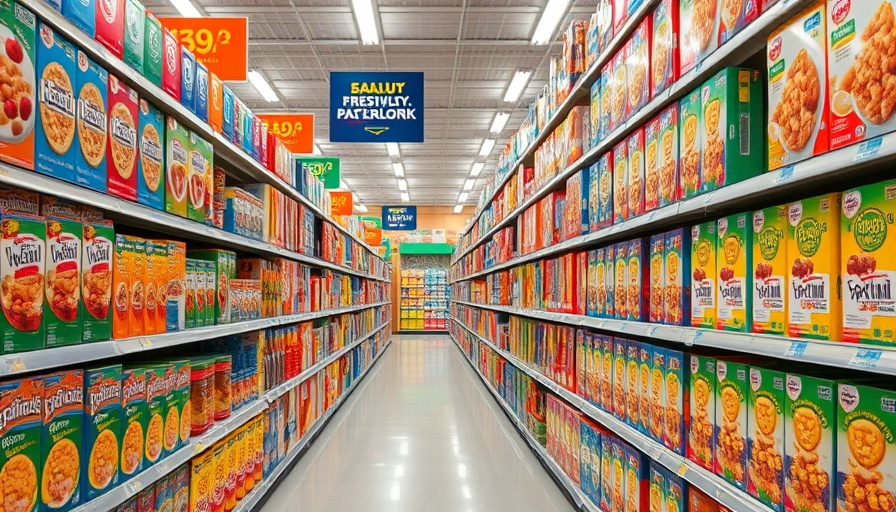
Colorful cereal aisle in a supermarket highlighting SNAP funding cuts impact Philadelphia.

Proposed Cuts: A Threat to Philadelphia’s Food Security

The recent proposal for $2 trillion in U.S. federal spending cuts has sparked serious concerns, particularly for the vulnerable populations in Philadelphia. Nearly 500,000 residents, representing about one-third of the city's population, benefit from the Supplemental Nutrition Assistance Program (SNAP), which is crucial for low-income families trying to purchase groceries.

The Impact of SNAP on Local Economies

According to data from the Food Research & Action Center, about 14% of residents in Pennsylvania rely on SNAP to make ends meet. In Philadelphia alone, SNAP redeemed $5.2 billion in benefits within the local economy in 2023. This substantial contribution helps keep many businesses afloat, particularly in tougher economic climates—a fact often overlooked in budget discussions.

Potential Consequences of Funding Reductions

While the specifics of the proposed cuts remain unclear, experts predict a potential 20% reduction in SNAP funding. Such cuts would not only impoverish thousands more families but also exacerbate food insecurity, especially in a city already grappling with a poverty rate of about 23%. The Greater Philadelphia Coalition Against Hunger reported that, prior to the proposed cuts, families were already losing an average of $95 per month since the end of COVID-19 era support programs. This is not only a financial loss but also threatens the health and well-being of families.

Broader Implications for College Students

Surprisingly, college students in Philadelphia could be among those adversely affected. Many report food insecurity, impacting their academic performance and concentration. The cuts can lead students to opt for cheaper, less nutritious food options, ultimately degrading their health and educational outcomes. Addressing food insecurity must extend beyond traditional perspectives to include the unique challenges facing students.

Looking Ahead: Building Resilient Communities

Community leaders emphasize the need for innovative solutions to combat impending food insecurity amplified by potential funding cuts. As organizations like the Greater Philadelphia Coalition Against Hunger and Benefits Data Trust have closed their doors, the burden shifts to local governments and community members to fill the gaps in resources and assistance.

Your Role in Addressing Food Insecurity

As top wage earners in Philadelphia, your awareness can drive change. Many charities and initiatives are seeking support to bridge the gap for residents in need. Engaging with local food banks, volunteering time, or financially supporting organizations focused on hunger alleviation can make a significant impact in the fight against food insecurity.

In conclusion, vigilant advocacy and proactive measures are essential to safeguard the food security of our most vulnerable citizens. As discussions about budget cuts unfold, it is crucial that we recognize the widespread implications for Philadelphia's economy and communities, ensuring that everyone has access to basic nutritional needs.

Home

0 Views

0 Comments

Write A Comment

*
*
Related Posts All Posts
12.17.2025

West Mt. Airy’s Crucial Decision: Should Pelham Pursue Historic Designation?

Update Preserving a Community’s Heart: The Debate Over Historic Designation in West Mt. Airy In the charming Pelham neighborhood of West Mt. Airy, residents are facing an emotional crossroads: should they pursue a historic designation to preserve their beloved homes? This question resonates with deep significance for long-term residents who cherish their community’s history, racial integration, and distinctive architecture. Concerns Over Development and Integrity Colleen Floyd-Carroll, a resident and passionate advocate for preservation, expresses the sentiments echoing through Pelham. “I love this neighborhood. We live in an amazing, historic, old-house neighborhood,” she insists. Floyd-Carroll fears that the rapid development around her—characterized by modern homes replacing the grand residences of yesteryear—will irreversibly alter the character of her community. The Pelham neighborhood boasts stunning architecture from renowned designers, and the preservationists argue that an official designation would safeguard these homes against demolition and inappropriate renovations. However, the process has stirred skepticism among residents. Many are wary of the motives behind the preservation effort, viewing it as a possible vehicle for gentrification—further alienating lower-income families in the area. Understanding the Complexity of Historic Designation The discussion around creating a historic district in Pelham is part of a larger trend in Philadelphia, where historic preservation increasingly becomes contentious. In recent years, various districts have been designated amidst both passionate supporters and vocal critics. Similar debates unfolded during the recent establishment of the Washington Square West Historic District, where property owners objected to potential restrictions that could affect their ability to renovate or redevelop their properties. During these heated discussions, residents raised concerns about the wisdom and management of the historical preservation process. “Historic preservation is not a neutral process,” argued Lindsey Adams, a skeptical resident. “There is often no clear presentation of data on the long-term impacts of designation on affordability and community demographics.” Critics feel that the preservationists focus heavily on aesthetic qualities while neglecting the socio-economic implications for existing residents. The Fight for Community Identity At the crux of this conflict is the quest for a unique community identity in a world increasingly dominated by consistent and unremarkable development. Pelham’s historic roots date back to the 1890s, and for many residents, this history is more than just a collection of houses; it’s the story of their community's resilience and diversity. The preservation movement in Pelham echoes the common dilemma faced by neighborhoods across the nation. As cities evolve, the balance between preserving historical integrity and accommodating economic growth becomes increasingly precarious. While some argue that historic designations can elevate property values and facilitate gentrification, supporters believe they are vital for upholding cultural identity. A Call for Community Dialogue The emerging dialogue in West Mt. Airy is crucial not only for Pelham but for neighborhoods across Philadelphia facing similar challenges. As the residents deliberate over potential designations, it’s imperative they engage in open conversations that encompass diverse perspectives—recognizing both the desire to protect their homes and the realities of their neighbors’ needs. Ultimately, the decision about whether to pursue historic designation is more than a preservation issue; it’s a matter of community values and identity. Residents must weigh the aesthetic and cultural significance of their neighborhoods against the potential consequences for social equity and economic diversity.

12.17.2025

Christmas Village Thrills: The Rise of Mysterious Unopened Packages

Update Unraveling the Mystery of Christmas Village's Hottest Attraction This holiday season, Philadelphia's Christmas Village just got more exciting with the introduction of Chain Mail Unclaimed, a vendor selling unopened mystery packages. Each package, costing between $10 and $40, has become the talk of the town, drawing hundreds of curious shoppers eager to discover the surprises within. The Allure of the Unknown: Why Shoppers Can't Get Enough Emma Zielinski, the owner of Chain Mail Unclaimed, has turned a unique concept into a thriving business. She sources these mystery packages through government auctions and warehouse brokers, capturing the essence of a modern-day treasure hunt. The thrill of not knowing what lies inside each box fuels shoppers' excitement. As Zielinski puts it, "You get what you get, and you don't get upset," creating an engaging environment, especially for those participating in holiday gift exchanges. How Demand Surged into Phenomenon In her first two weeks, Zielinski sold over 3,000 packages, astonishing even herself. She shares, "This was not anything I had planned for. We've sold around 500 packages per day!" The explosion in demand highlights not just the appeal of mystery shopping but also the effectiveness of social media marketing, with customers discovering her booth via platforms like TikTok and Instagram. Connecting with the Community The Christmas Village enhances its role as a local tradition by emphasizing community involvement. Visitors often share their unboxing experiences, forming memories that transcend mere holiday shopping. Shoppers like Nicole Smith, who traveled from State College, emphasize the thrill of anticipation as they engage in purchases for secret Santa exchanges, underlining the social vibe of the event. More Than Just Packages: Impact on Local Economy This innovative vendor represents a shift in consumer behavior and emphasizes supporting local businesses during the festive season. As Christmas Village continues to expand its roster of vendors, including cultural attractions like the Philly-themed Christmas pyramid and holiday markets, it not only enhances local economic support but also underscores Philadelphia's commitment to providing unique experiences that draw in visitors. What’s Next for Chain Mail Unclaimed? As Zielinski juggles the demands of running her business and parenting two young children, she is excited about scaling her operation. "We will be back better than ever, I assure you," she states, hinting at future growth and possibly introducing new products that continue to engage her audience’s curiosity. The appeal of unopened mystery packages at Christmas Village illuminates a festive spirit mixed with the thrill of surprise. As the holiday season unfolds, it’s clear that Chain Mail Unclaimed is more than just a shop; it embodies the essence of community and excitement that makes this time of year special in Philadelphia.

12.16.2025

Chinatown Stitch Revival: How Federal Bill Aims to Restore Community Connection

Update A Legislative Lifeline for Chinatown Stitch In a move aimed at revitalizing Philadelphia’s Chinatown, Congressman Brendan Boyle has co-sponsored federal legislation designed to restore billions of dollars in funding cut by previous administrations. The proposed REPAIR Act, which stands for Restoring Essential Public Access and Improving Resilient Infrastructure Program Act, holds the promise of resurrecting vital infrastructure projects, including the much-anticipated Chinatown Stitch. Understanding the Chinatown Stitch Project The Chinatown Stitch is not just a park project; it represents a critical connection for a community long divided. Plans call for capping a section of the Vine Street Expressway—from 10th to 13th streets—creating a vibrant public space that reflects Chinese cultural traditions. This initiative seeks to mend the disruption caused when the highway was built, which demolished homes and businesses and forced residents to navigate dangerous road crossings. “This is a river that cuts through our community and divides it,” said John Chin, executive director of the Philadelphia Chinatown Development Corporation. The Stitch aims to not only restore cultural integrity but also opens doors for economic growth and social cohesion. Funding Struggles and Resurgence The project faced numerous challenges following the rollback of grants under the Trump administration, which reclaimed nearly all federal support initially promised for the Stitch. However, the recent introduction of the REPAIR Act aims to address this financial shortfall, proposing $3 billion yearly from 2027 to 2031 specifically for transportation infrastructure, including projects like the Stitch. In 2021, the federal Bipartisan Infrastructure Law provided initial grants totaling $162 million, only to be rescinded later. Since then, Boyle and local leaders have pushed to secure additional funding, with $12 million already allocated for engineering and planning work continuing in the meantime. A Community United for Progress The intent behind the Chinatown Stitch resonates deeply within the community. City officials, neighborhood leaders, and local businesses see it as more than a park; it is a vital step towards reconnecting and reintegrating Chinatown. Recent discussions led by Boyle at local venues like the Crane Community Center reflect a unified front to champion this cause as they collaborate with transportation officials. “We are here to say we are not giving up on this project,” Boyle stated. His determination aligns with communal sentiments voiced by residents who have fought for decades to reclaim their space and restore their community. Create a Lasting Impact: Get Involved The significance of the Chinatown Stitch extends beyond infrastructure. It's about healing a community disrupted by past initiatives and paving the way for future growth. As this project gains momentum, local community members and stakeholders are encouraged to stay updated, advocate for the initiative, and participate in upcoming planning discussions to ensure their voices are heard. As Philadelphia witnesses rekindled hope for the Stitch project, the call for unity rings louder than ever. Join the movement to bring this vital project to fruition—your involvement matters!

Terms of Service

Privacy Policy

Core Modal Title

Sorry, no results found

You Might Find These Articles Interesting

T
Please Check Your Email
We Will Be Following Up Shortly
*
*
*